

You've visited Whitby, and now you want to read Dracula, of course! Here's our guide on how to approach the novel.
Bram Stoker’s Dracula is a classic horror novel that introduced the world to one of the most famous vampires in fiction. First published in 1897, it might seem a bit old-fashioned or complicated to read at first, but don’t worry! With a bit of guidance, Dracula is an exciting and valuable read to cross off your lit list. Whether you're reading it for school, curiosity, or you love vampires, here are some simple tips to help you get the most out of your first read.
Before you begin, get an idea of the story and format
Dracula is a novel about a group of people trying to stop a powerful vampire named Count Dracula from spreading evil in England. The story begins with a young man named Jonathan Harker travelling to Dracula's castle in Transylvania. What starts as a business trip turns into a terrifying adventure. Knowing the premise can help you feel less lost when you start.

Whitby Mini Guide
We have created a FREE mini-guide with all the essential information about Whitby, now available for instant download.
Letters and diaries
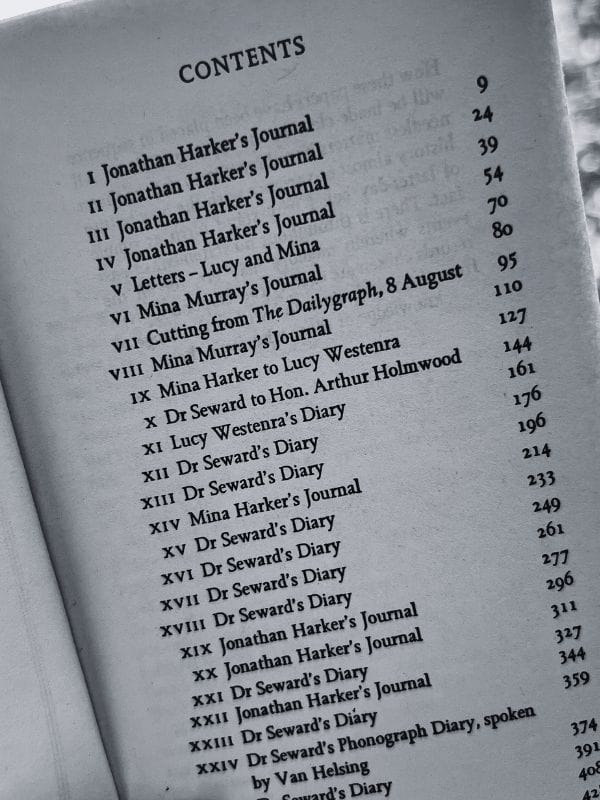
Dracula is not told like a regular novel. Instead, it's made up of journal entries, letters, newspaper articles, and even ship logs. This is called an “epistolary” novel. Each chapter is from a different person's point of view. Pay attention to who is writing each section. This style helps build suspense and gives you a closer look at each character's thoughts.
Be patient with the language; reread or read aloud
Since Dracula was written over 100 years ago, the English might feel old-fashioned. Sentences are longer, and some words aren't used much anymore. That's normal! If you find a section confusing, try slowing down or rereading it. You can also look up summaries of each chapter to help you keep track.
Reading aloud is a great tip to help bring characters to life and improve your reading flow. Try an audiobook or a modern edition with notes or definitions. These can make things much more straightforward.
Keep a log of the characters
There are quite a few main characters, and they all write parts of the story. Here are a few to remember:
- Jonathan Harker – A young lawyer who visits Dracula.
- Mina Murray – Jonathan’s fiancée, smart and strong-willed.
- Lucy Westenra – Mina's best friend, who becomes very ill.
- Dr. Seward – A doctor who runs a mental asylum.
- Professor Van Helsing – A vampire expert who leads the fight.
- Count Dracula – Our mysterious and dangerous vampire.
We found that writing notes about each character as we read helped us create an overall picture of each character.
Think about the time the novel was written
This book was written in 1897, and the world was very different back then. People were dealing with new inventions, differing views on science and religion, and significant fears about outsiders or change.
Learning a little about that period can help you understand why the characters act the way they do—or why certain things feel strange to modern readers. You don't have to do deep research—just a quick look into Victorian England can give you helpful context.
Pause and reflect
It's easy to rush through a book, especially when it gets exciting. But sometimes, it helps to slow down. Take a moment after each chapter to think about what just happened. What are the characters going through? What surprised you? You could even talk with a friend, join a book club, or jot your thoughts down in a journal. Reflecting helps you remember more and enjoy the story on a deeper level.
Pick the right edition for you
Not all copies of Dracula are the same. Some versions include notes, explanations, or pictures. These can help if you're confused about the language or don't understand something from the period.
Look for versions that say “annotated,” “modern English,” or “with introduction and notes.”
Consider watching the films and adaptations
Reading Dracula is a great way to experience the original story, but don't forget there are also tons of movie and TV versions out there! Watching an adaptation can help you understand the plot, the characters, and the mood of the story, especially if you're finding the book a little tough to follow.
There have been many different takes on Dracula—some stay close to the novel, and others change a lot. Some are serious, while others are more comedic. Here are a few you might want to check out:
- Classic Dracula (1931) – Starring Bela Lugosi, this black-and-white version helped define the “look” of Dracula for generations.
- Bram Stoker's Dracula (1992) – Directed by Francis Ford Coppola, this one tries to stay closer to the book while adding a love story twist.
- Dracula (2020, BBC/Netflix) – A modern mini-series with some big changes, but it explores the same themes in creative ways.
- Hotel Transylvania (2012) – A fun, family-friendly cartoon version that's very different but still introduces the vampire legend to younger audiences.
Watching an adaptation after you read a few chapters or finish the book can help you picture the characters more clearly, understand the setting, or make the story feel more realistic. You can even compare what the adaptation changed and why.
Consider the key themes in Dracula
Even though Dracula is a vampire story, it also explores significant ideas that were important when it was written, and many remain interesting today. Here are the themes to look out for as you read:
Good vs. evil
At its core, Dracula is a battle between good and evil. Count Dracula represents darkness, fear, and corruption, while the group of human characters—like Van Helsing, Mina, and Jonathan—fight to protect life, love, and truth.
Read how the characters respond to Dracula's growing influence. It's not just a physical fight but a moral and emotional one, too. The book demonstrates how courage, friendship, and faith can prevail against even the darkest threats.
Science vs. superstition (or modernity vs. the old world)
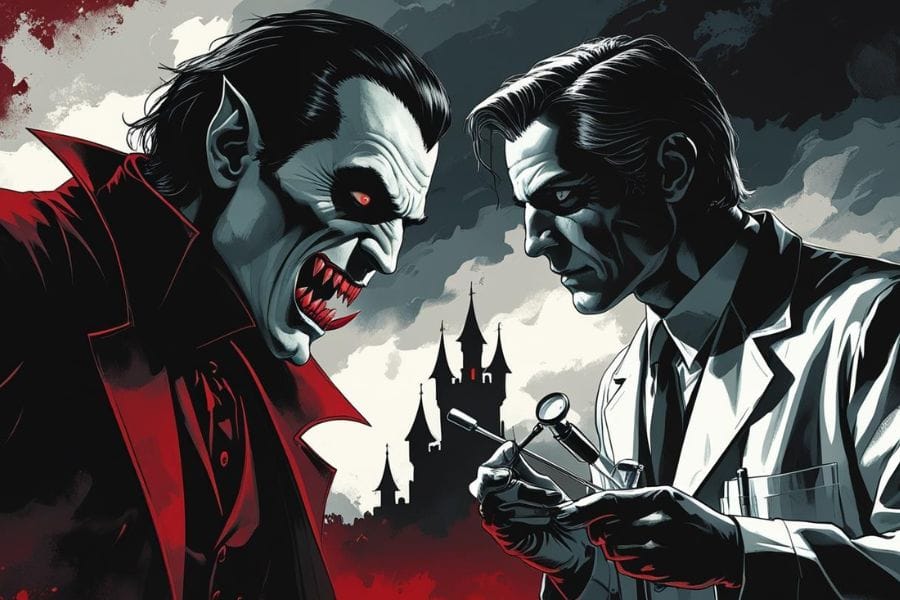
When Dracula was written, people were excited—and nervous—about new science and technology. In the book, characters use modern tools like typewriters, blood transfusions, and train schedules to fight something ancient and supernatural.
Dracula, as a creature from the past, challenges the modern world. The story raises a question: Can science and reason defeat something beyond understanding? You'll notice how the characters try to mix logic with old legends and folk wisdom.
Feminism and gender roles
Dracula also explores the portrayal of women in Victorian society. Mina, for example, is intelligent, brave, and often more organised than the men—yet she's usually “protected” or treated as fragile.
At the same time, Lucy's transformation from a sweet Victorian woman into something more wild and sexual reveals how the story plays with fears about changing gender roles. These moments reflect real debates from the time about what women's roles should be.
Keep an eye on how the male characters react to both Mina and Lucy—it says a lot about the period.
The uncanny (strange but familiar)

Dracula is full of moments that are creepy because they're just a little off. This is called “the uncanny.” Think of how Dracula looks like a man but acts in odd, unnatural ways. Or how familiar settings—like a cosy bedroom or quiet village—suddenly feel dangerous.
The uncanny makes the story scarier because it turns everyday things into something unsettling. That's part of what makes Dracula such a powerful horror novel.
These themes aren't hard to spot, and you don't need to be a literary expert to notice them. Just stay curious and ask yourself: What deeper ideas might the story be exploring here? Often, that's where the genuine chills come from.
Even though Dracula can feel a little slow at the start, it builds into an exciting adventure. There are haunted ships, foggy graveyards, secret plans, and brave heroes working together to stop evil.
So don't worry if you don't “get” every part right away. Just enjoy the read, the twists and turns, and the thrill of the chase. With a bit of patience, Dracula will be an unforgettable read.
If you already love Dracula, here is a list of things we recommend doing in Whitby.






Related Posts