
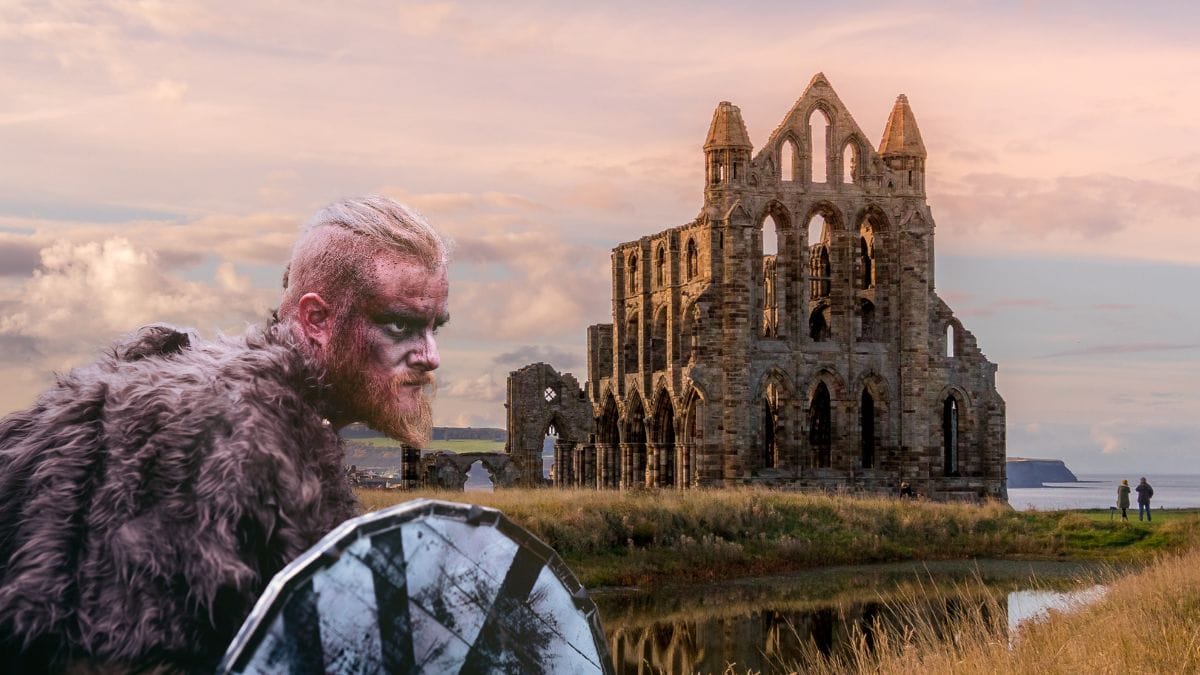
The Vikings raided, traded and settled across Europe, but did they settle in Whitby?
While not as famously Norse as places like York (Jorvik), Whitby's connection to the Vikings is still a compelling, though less well-documented, chapter in its story. The Vikings were primarily pagan individuals from Scandinavia; their influence on English history was significant. Whispers of a Viking past echo through the narrow cobbled streets and windswept cliffs of Whitby. But what is Whitby's Viking history? And did the Norse settle here?
Did the Vikings name Whitby?
The town name Whitby in the UK has historical roots tied to both Anglo-Saxon and Viking influences.

Whitby Mini Guide
We have created a FREE mini-guide with all the essential information about Whitby, now available for instant download.
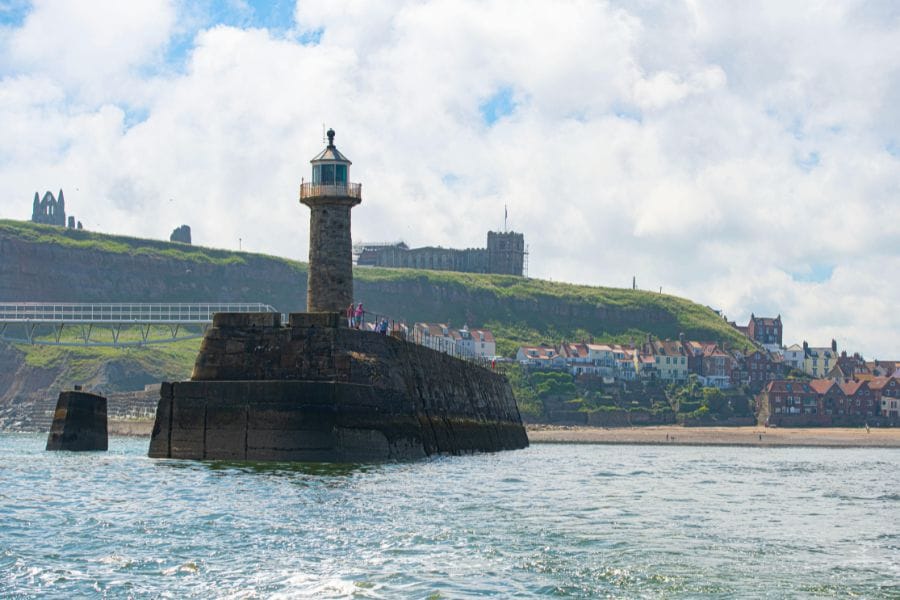
Before the Vikings, Whitby was known as Streanæshalch (sometimes spelt Streoneshalh), an Old English name. The meaning of Streanæshalch is uncertain — some interpretations suggest it could mean something like “Fort Bay” or “Tower Bay”, but many people debate this. This was the name used in 657 AD, when St. Hilda founded the monastery at Whitby.
Around the 9th century, Vikings from Scandinavia, mostly Danish settlers, began to colonise northern England, which became known as the Danelaw. They brought their language, Old Norse, and renamed many places.
Whitby comes from Old Norse:
- “Hvítr” = white
- “Býr” = farmstead, village, or settlement
So, Whitby roughly translates to “white farm” or “white settlement.”
The “white” could refer to the white cliffs or buildings in the area, though no one's 100% sure.
Did Vikings raid Whitby Abbey?
The monastery was destroyed between 867 and 870 in a series of raids by Vikings from Denmark, led by Ingwar and Ubba. Its site remained desolate for more than 200 years until after the Norman Conquest of England in 1066
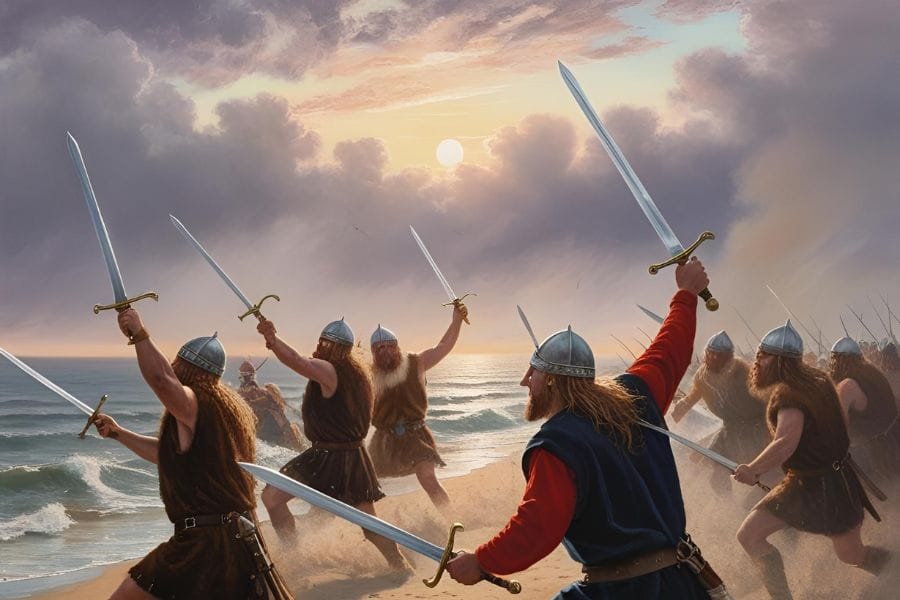
The exact timing and reasons for this abandonment remain unclear, but it is likely linked to Viking raids from Denmark and subsequent permanent settlement by the Danes.
By the time the Normans arrived in 1066, the headland appeared to have been forsaken; however, a significant town known as Whitby was situated by the harbour.
Archaeological evidence and historical gaps
Unlike York, Whitby lacks definitive large-scale archaeological evidence of Viking settlement. But this doesn’t rule out Norse occupation—it may simply reflect the more transient or rural nature of their presence here. Burial mounds and artefacts in the surrounding Yorkshire countryside hint at Norse activity in the region.
Historians also point out that Viking settlers often took over existing communities rather than building new ones, blending into the local population over time. This may have happened in Whitby.
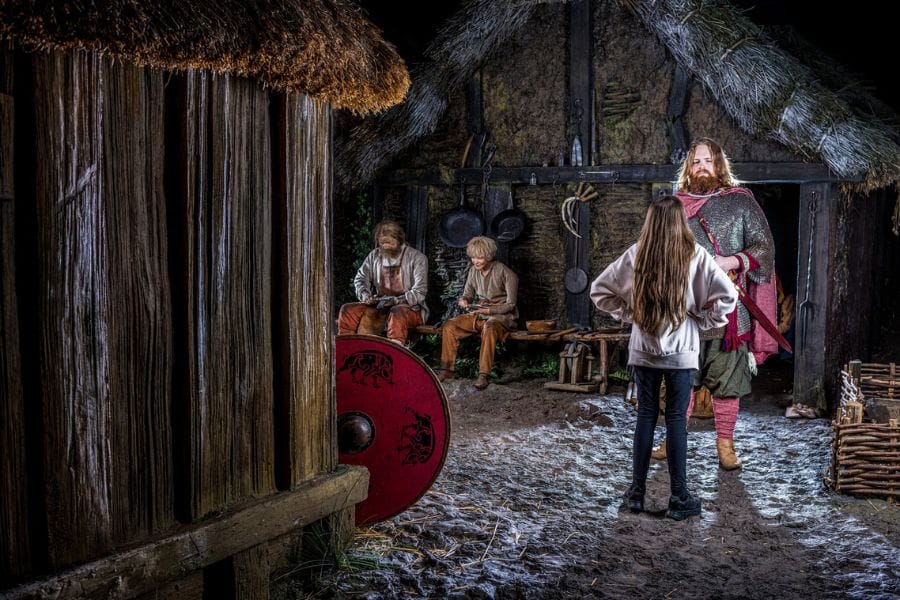
Visit the Jorvik Viking Centre in York
From 1976 to 1981, archaeologists from the York Archaeological Trust unearthed the foundations of houses, workshops, and yards from the Viking city, offering a glimpse into life nearly a millennium ago. You can now explore these fascinating findings at the Jorvik Viking Centre.
This attraction provides a unique experience, featuring lifelike figures and exhibits that display artefacts from 1,000 years ago. You'll stroll through reconstructed Viking Age streets that capture the sights, sounds, and smells of the era, along with immersive displays detailing the excavation process.
Visit the Yorkshire Museum
Here, you can explore the city's rich Viking past through an extraordinary collection of artefacts. This includes the world-famous York Helmet – one of six Anglo-Saxon helmets known to have survived to the present day.
Viking Jet
The Vikings might have thought they had stumbled upon a rare form of black amber when they came across jet. Many of the items crafted from Whitby Jet resemble those made from amber.
The primary location for production during this time appears to be Jorvik, the Viking trading hub at York. Excavations at Jorvik uncovered both rough pieces and finished products, while evidence also points to a manufacturing centre in Dublin during the same period.
Some of the finest examples have been discovered in Norway, suggesting that the Vikings transported Whitby back to their homelands for crafting. Numerous Viking artefacts from this era display Byzantine influence. The Viking trade networks spread Whitby Jet extensively, with pieces recognised as far away as Greenland.
Viking echoes in Whitby
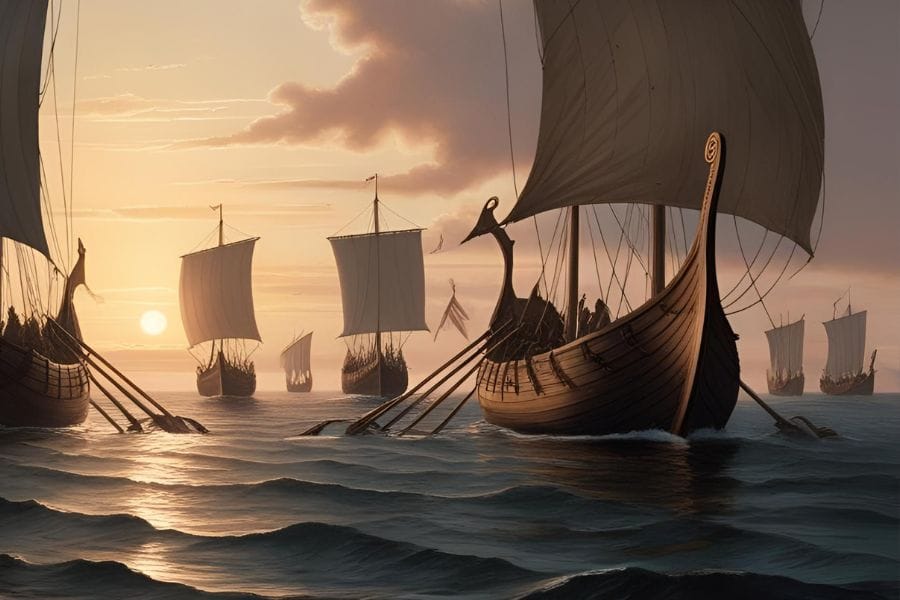
Stories of Viking raids and local resistance are still part of Yorkshire folklore, and some coastal features have names with roots in Old Norse. Street names, place names, and words in the Whitby area carry the imprint of the Norse tongue, further supporting the idea of Viking integration.
While not a Viking capital, Whitby was almost certainly touched by the Norse world, whether through raids, trading visits, or even settlement. The town's very name points to this connection, and the broader context of Viking activity in Yorkshire makes a Norse presence possible and likely.






Related Posts